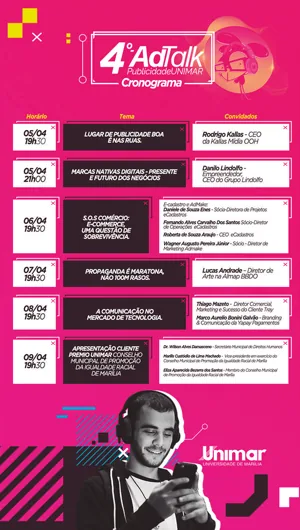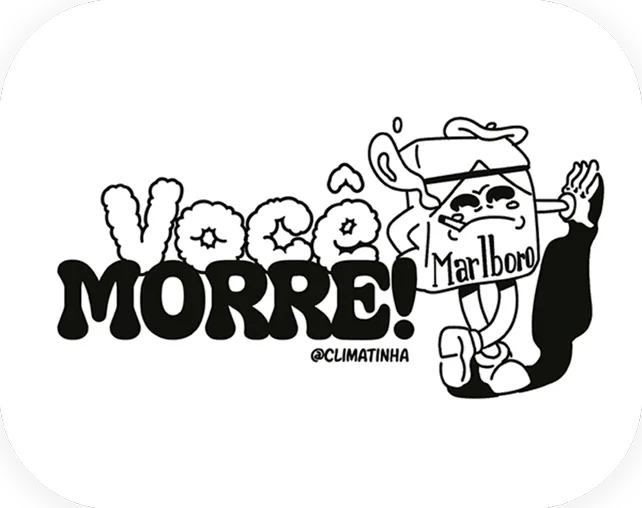


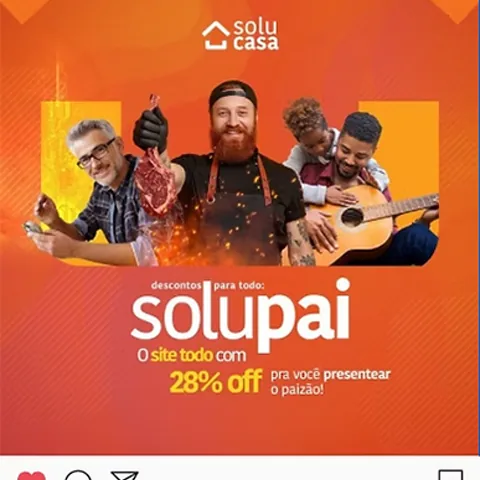

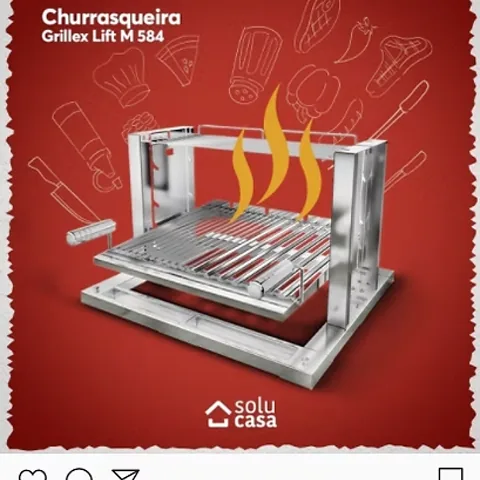
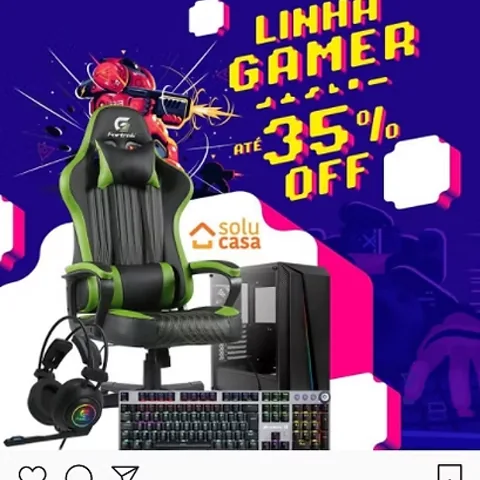
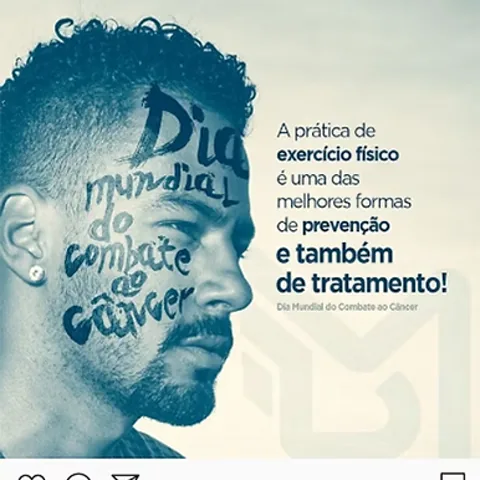
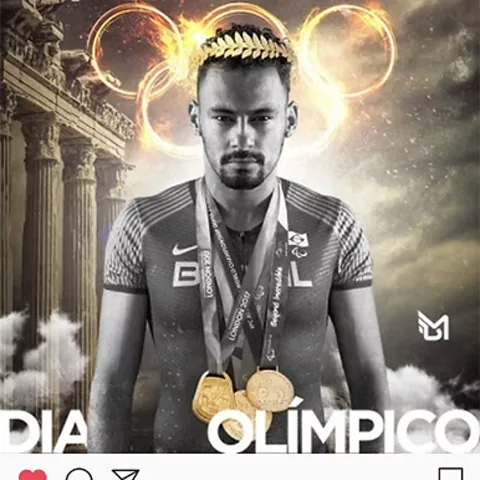
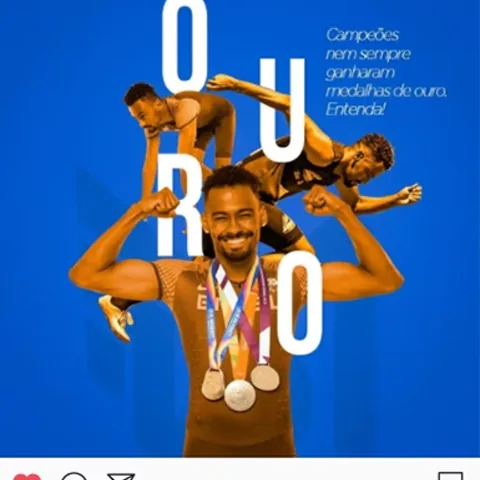

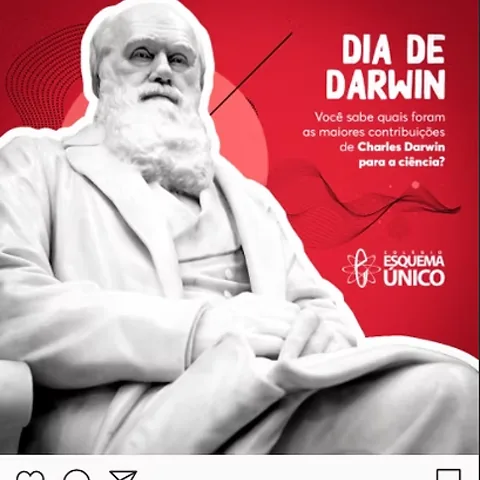
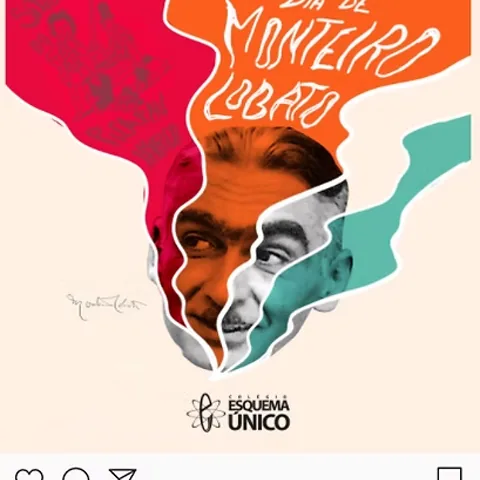

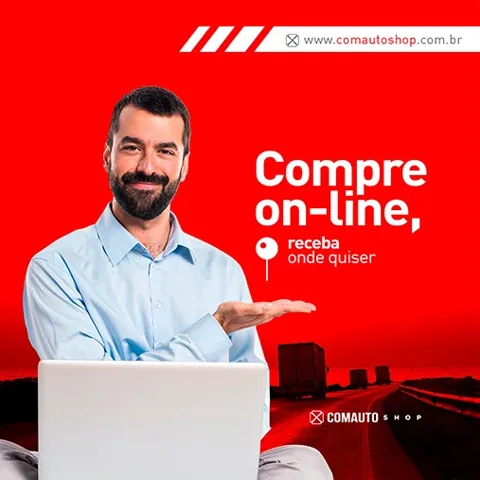
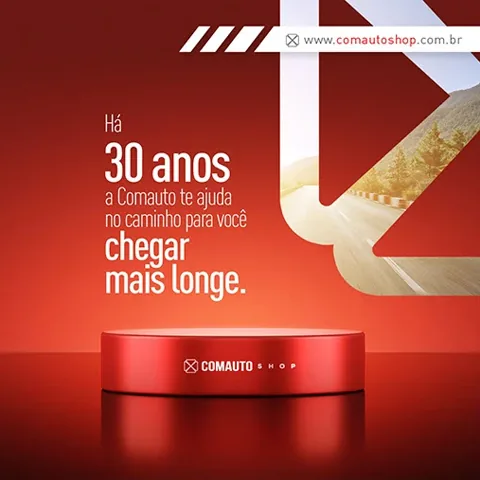


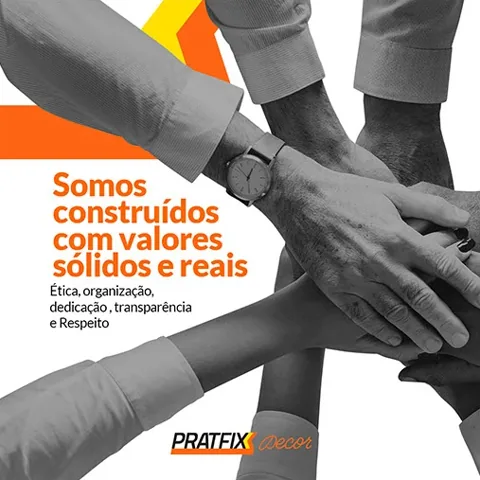

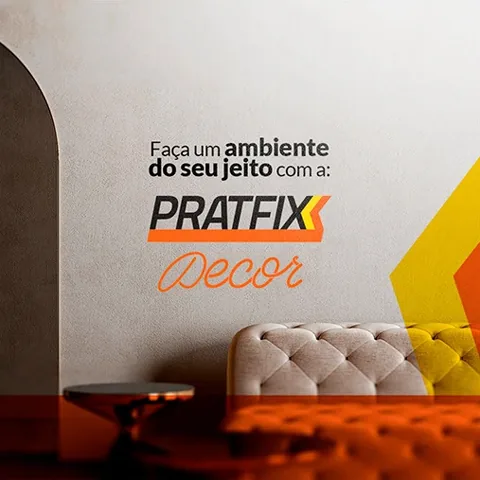
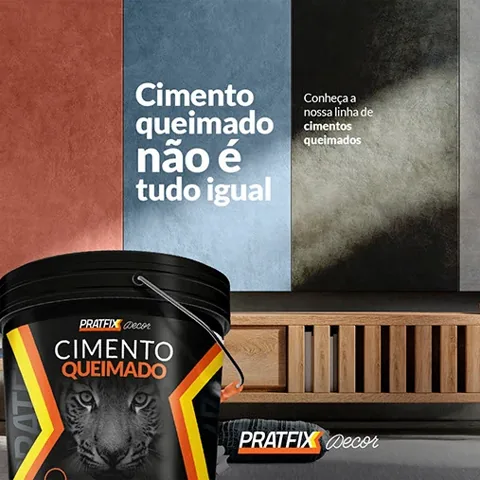

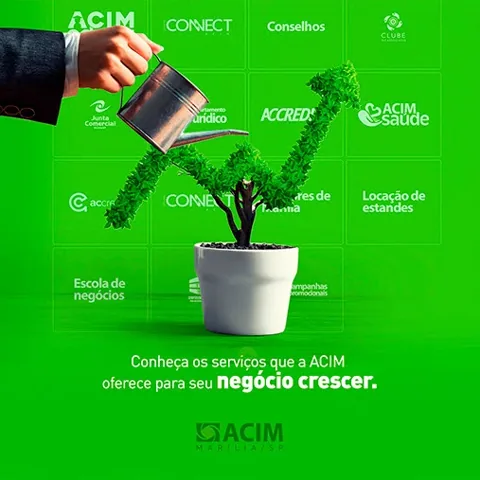
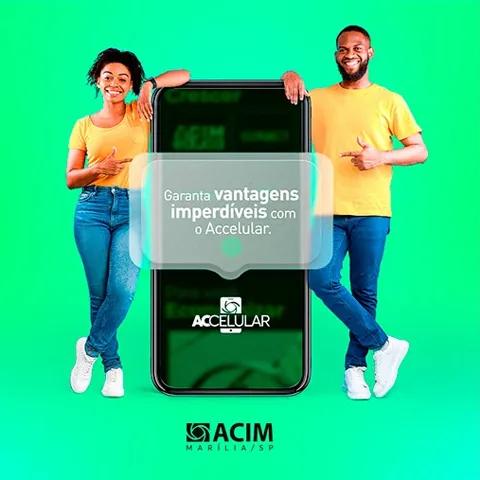

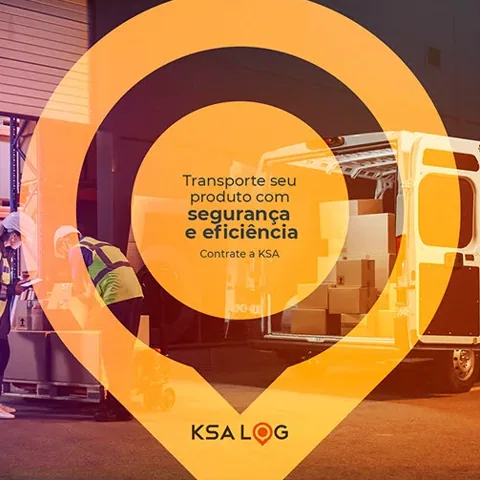
Mustache is a digital marketing agency serving a diverse portfolio: from physical retail products to B2B services, from youthful brand aesthetics to a serious institutional tone. I worked as an agency art assistant, producing graphic pieces for multiple clients simultaneously — each with an already established visual identity and their own communication tone.
What This Job Required
A social media agency designer doesn't have a creative direction to defend. They have the opposite: they must disappear so that each client appears in their own voice. The daily question wasn't "what would my solution be?", but rather "what decision would this brand make?". Each client had their palette, typography, repertoire of elements, and visual tone of voice — and the job was to operate within each of these rules without mixing them up.
In volume, this means switching between visual identities several times a day: in the same morning, creating a serious post for a B2B client, a relaxed carousel for a retail product, and a promotional ad for a third brand in a third tone. The consistency didn't come from my style — it came from the style of each of them.
What I Learned Here
This was the period that refined the fundamentals I still use today in direction projects. Three specific skills this job built:
- Quick reading of visual identity: Receiving a new brand manual and, in just a few pieces, being able to produce in it fluently — without a piece looking "made by another designer".
- Variation within rules: Creating dozens of posts for the same client without them looking repetitive, keeping the identity intact. It's the exercise of "finding freedom within the frame" — a fundamental skill for any long-term work with the same brand.
- Volume under tight deadlines: Social media works on an editorial schedule — you can't ask for another week. Learning to deliver consistently under constant pressure changes how you relate to any deadline from then on.
The Context of the Time
These pieces were made between 2020 and 2022, before the popularization of generative AI tools. The workflow was different: image banks (Shutterstock, Unsplash, Adobe Stock), Photoshop as the main tool, manual composition of each element, retouching, cropping, light adjustment. Each piece was built — not generated.
This is not an argument out of nostalgia. It's a foundational argument: learning manual photomontage teaches about light, perspective, visual hierarchy, and attention to detail in a way that prompts still cannot replace. Designers trained in this period carry a visual intuition that remains useful today, even with newer tools.
The Role of This Case in the Portfolio
The other projects in this portfolio show conceptual direction in projects with a tight scope. This one shows the other half of the craft: adaptability, volume, and visual discipline. Art direction is built on top of these fundamentals, not in place of them.
Everyday Hell
Art, sarcasm, and daily life — an illustrated vision of modern chaos, where humor reveals the contradictions of Brazilian life.
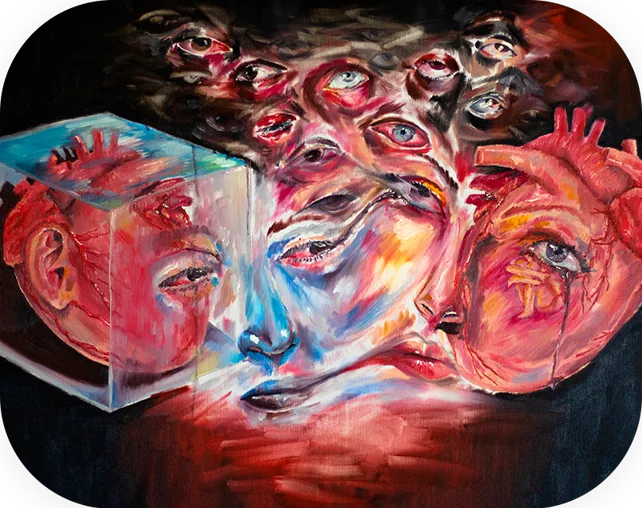
Samuclima (Authoral Painting).
Exploration of Human Emotions Through Symbolic Narratives, Red Tones, and the Heart as the Center of Vulnerability.
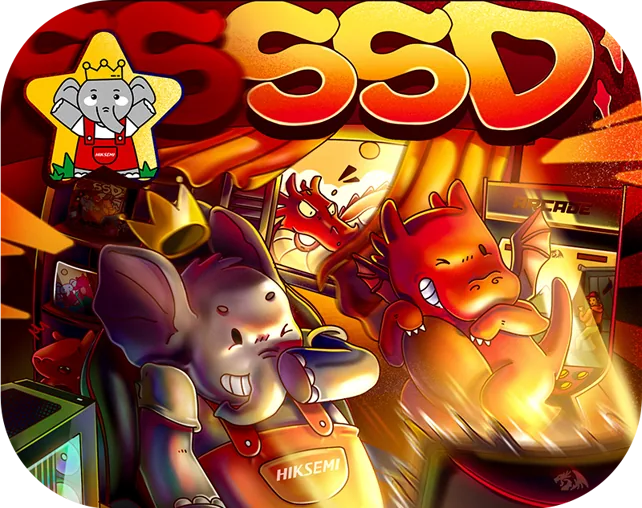
SSD Cubed
Original Art that Captures Energy and Speed Through Character Interaction and Innovative Brand Identity.